
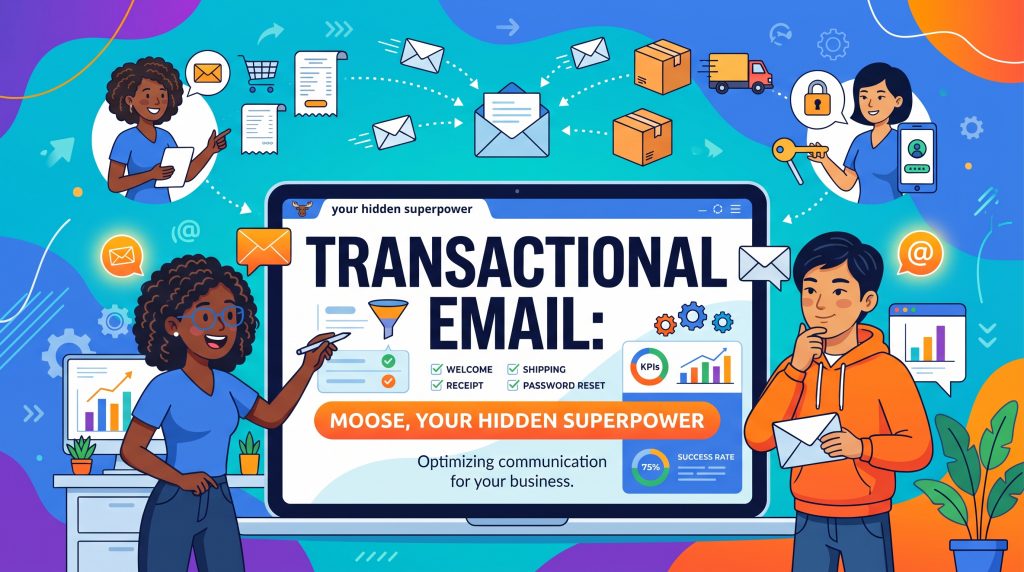
When most folks think about email marketing, their minds jump straight to promotional newsletters, flash sales, and fancy product launch campaigns. While those campaigns are fantastic for driving revenue, nurturing sales and building relationships, there is another powerhouse sitting in your digital toolkit that often gets ignored: transactional emails.
Think about your own inbox. When you purchase a product online, request a password reset, or book a flight, what is the first thing you do? You open your inbox and wait for that confirmation message. You expect it, you look for it, and you open it immediately.
Transactional emails boast some of the highest open and engagement rates you will ever have. If you treat them as an afterthought, you are leaving massive brand value and customer trust on the table. Let’s break down what makes transactional email tick, how to use it properly, and what to look for when choosing a provider.
What Exactly Is a Transactional Email?
To get the most out of your email efforts, it helps to understand the difference between promotional and transactional messages.
A promotional email is sent to a list of subscribers to promote a product, share content, or nurture leads. A transactional email is a one-to-one message triggered by a specific action taken by a user on your website or app.
The most common transactional emails include:
- Account Creation and Verification: Welcome messages containing email verification links or setup details.
- Password Resets and Security Alerts: Time-sensitive notifications triggered when someone requests account changes.
- Order and Shipping Confirmations: Receipts, tracking numbers, and delivery updates that keep customers informed.
- Billing and Invoice Notifications: Monthly subscription renewals, payment failures, or invoice receipts.
Because these messages contain vital, individualized information that the recipient is actively expecting, they require a completely different strategy and sending infrastructure than your standard marketing campaigns.
Best Practices for Transactional Emails
Just because an email is functional does not mean it has to be boring or neglected. Here are practical ways to make your transactional emails work harder for you:
- Prioritize Speed and Deliverability: When a user clicks “reset password,” they expect that email within seconds. If it takes five minutes or lands in the spam folder, user frustration sets in immediately. Your infrastructure must be lightning fast and properly authenticated with SPF, DKIM, and DMARC records.
- Keep the Primary Message Front and Center: A transactional email should focus 80% to 90% on the core information the user needs. If it is a shipping receipt, make the tracking number and order summary unmistakable. It is ok to have a promotional message or content, but keep it minimal and tasteful.
- Reduce Friction and Confusion: Use clean design, ample white space, and clear call-to-action buttons. Don’t make the reader search through cluttered text to find their receipt details.
- Incorporate Subtle Relationship Building: Once the primary purpose of the message is met, use the remaining space to add subtle value. Provide links to helpful FAQs, invite them to your community, or show related resources that help them get more out of their purchase.
What to Look for in a Transactional Email Provider
Sending transactional emails through your regular marketing email service provider (ESP) or your standard web hosting server is rarely ideal. You may need a dedicated transactional email provider equipped to handle instant, reliable delivery.
When evaluating providers, look for these essential features:
- High Deliverability and Speed: Look for providers that prioritize inbox placement, support custom sending domains, and process API requests instantly without lag.
- Developer-Friendly Integration: Whether your team prefers sending via REST API, SMTP, or native SDKs, the setup should be smooth and well-documented.
- Real-Time Event Tracking: You need visibility into delivered messages, opens, clicks, bounces, and complaints so you can troubleshoot issues the moment they arise.
- Transparent and Scalable Pricing: Many legacy providers charge hefty premiums as your sending volume scales. Look for tools that offer clear, predictable pricing as your business grows.
Taking Your Transactional Strategy Further
Your transactional emails are often the most reliable touchpoint you have with your audience. When executed well, they reassure your customers, reinforce your brand identity, and maintain high deliverability standards across your entire domain.
If you are looking for a modern, cost-effective solution to handle your transactional sending, take a look at Anypost. They offer a simple, lightning-fast API, native Markdown rendering, and real-time event tracking at a fraction of legacy email API costs. It is a fantastic option for businesses looking to deliver reliable transactional messages without breaking the budget.
Take a look at your current confirmation and notification emails today. Are they delivering quickly, matching your brand, and providing clear value? If not, it might be time for an upgrade!